|
Monday, January 31, 2022
Library Newsletter February 2022
Craft for a Cause: Comfort for Hospice ends 2/28/22
We are in the last month of our collection time for blankets and shawls for Mt. Hood Hospice. So far, close to 30 individual pieces have been donated to bring comfort and warmth to our community members in hospice care. The compassion, talent, and generosity has been incredible.
We will continue our collection until our last drop off on February 28th. There's still time, if you want to participate! HERE is a super simple pattern to get you started.
Thank you, Sandy ❤️
We will continue our collection until our last drop off on February 28th. There's still time, if you want to participate! HERE is a super simple pattern to get you started.
Thank you, Sandy ❤️
If you are grieving, check out their Community Grief Education programs.
Friday, January 28, 2022
Black History Month - 2022
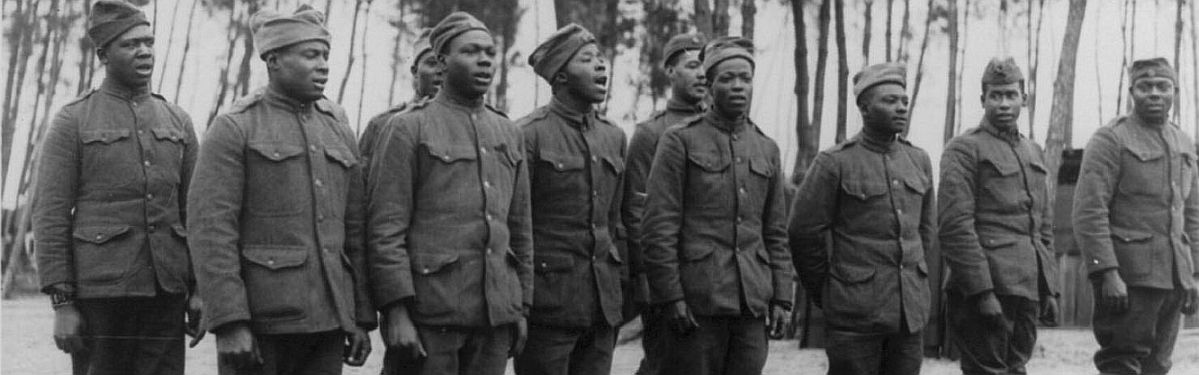
Finding Pictures: African Americans in the Military


When they were brought to Oregon in 1844, Missouri slaves Robin and Polly Holmes and their children were promised freedom in exchange for helping develop their owner's Willamette Valley farm. However, Nathaniel Ford, an influential settler and legislator, kept them in bondage until 1850, even then refusing to free their children. Holmes took his former master to court and, in the face of enormous odds, won the case in 1853. In Breaking Chains, R. Gregory Nokes tells the story of the only slavery case adjudicated in Oregon's pre-Civil War courts--Holmes v. Ford. Through the lens of this landmark case, Nokes explores the historical context of racism in Oregon and the West, reminding readers that there actually were slaves in Oregon, though relatively few in number. Drawing on the court record, Nokes offers an intimate account of the relationship between a slave and his master from the slave's point of view. He also explores the experiences of other slaves in early Oregon, examining attitudes toward race and revealing contradictions in the state's history. Oregon was the only free state admitted to the union with a voter-approved constitutional clause banning African Americans and, despite the prohibition of slavery in the state, many in Oregon tolerated it and supported politicians who advocated for slavery, including Oregon's first territorial governor. Breaking Chains sheds light on a somber part of Oregon's history, bringing the story of slavery in Oregon to a broader audience. The book will appeal to readers interested in Pacific Northwest history and in the history of slavery in the United States.
Feb 8, 2022 9:00 AM Pacific
Materials in our catalogue
When they were brought to Oregon in 1844, Missouri slaves Robin and Polly Holmes and their children were promised freedom in exchange for helping develop their owner's Willamette Valley farm. However, Nathaniel Ford, an influential settler and legislator, kept them in bondage until 1850, even then refusing to free their children. Holmes took his former master to court and, in the face of enormous odds, won the case in 1853. In Breaking Chains, R. Gregory Nokes tells the story of the only slavery case adjudicated in Oregon's pre-Civil War courts--Holmes v. Ford. Through the lens of this landmark case, Nokes explores the historical context of racism in Oregon and the West, reminding readers that there actually were slaves in Oregon, though relatively few in number. Drawing on the court record, Nokes offers an intimate account of the relationship between a slave and his master from the slave's point of view. He also explores the experiences of other slaves in early Oregon, examining attitudes toward race and revealing contradictions in the state's history. Oregon was the only free state admitted to the union with a voter-approved constitutional clause banning African Americans and, despite the prohibition of slavery in the state, many in Oregon tolerated it and supported politicians who advocated for slavery, including Oregon's first territorial governor. Breaking Chains sheds light on a somber part of Oregon's history, bringing the story of slavery in Oregon to a broader audience. The book will appeal to readers interested in Pacific Northwest history and in the history of slavery in the United States.
Oregon's Black Pioneers
- Stream
- For decades, Oregon legally excluded black people from settling in the region. Despite racist laws and attitudes, some came anyway.
You might be interested in
Thursday, January 27, 2022
February Book Clubs
Wednesday, January 26, 2022
Teen Take & Make February 1
Starting February 1st, pick up a Take and Make kit.
This month teens will take home a tiny canvas and easel to create a tiny work of art. Return your artwork to the library by February 20 to participate in a tiny artwork show! Kits are available until supplies last.
Monday, January 24, 2022
artist resilience program 2022
The Artist Resilience Program provides relief funding to Oregon artists who have experienced financial hardship during the COVID-19 pandemic due to loss of income, loss of opportunity or other unanticipated impacts to their artistic practice. Funding is intended to help sustain the artistic practice of professional artists.
Click HERE for more Information
Friday, January 21, 2022
Gnome Hunt - Scavenger hunt
Find all the gnomes in the Sandy Library to unlock the answer to "Why gnomes love the library?"
If you figure it out, turn your answer sheet in and get a prize at the Information desk!
Pick up an answer sheet at the library or print the image below.
Subscribe to:
Posts (Atom)